Getting your deposit back starts on the day you move in, not the day you leave. The steps below are simple. They work because they leave both you and the landlord with the same record of the room.
Wolse does not hold deposits. You pay the deposit to the landlord, and the landlord returns it to you directly. That makes your own records more important.
On the day you move in
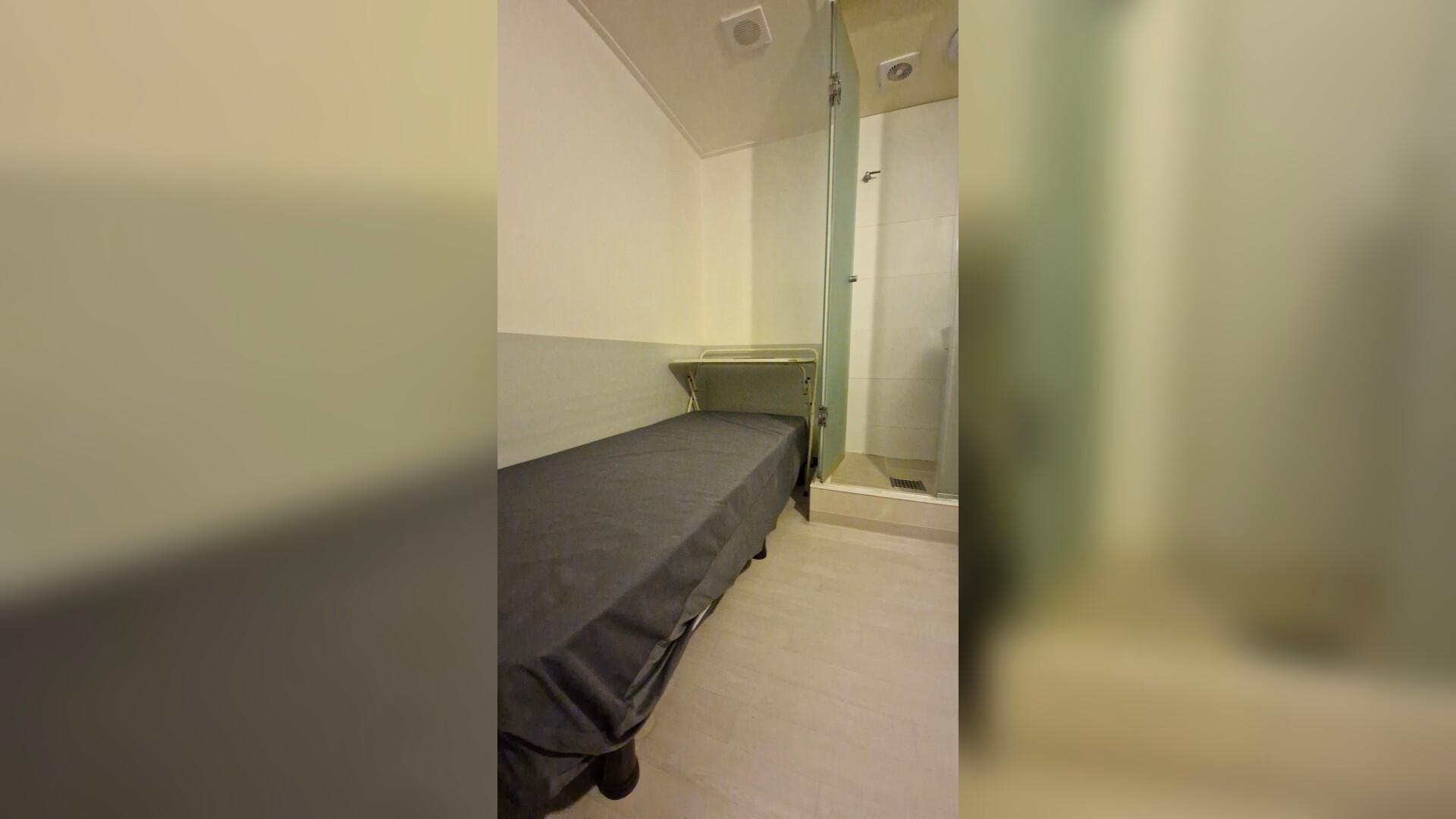
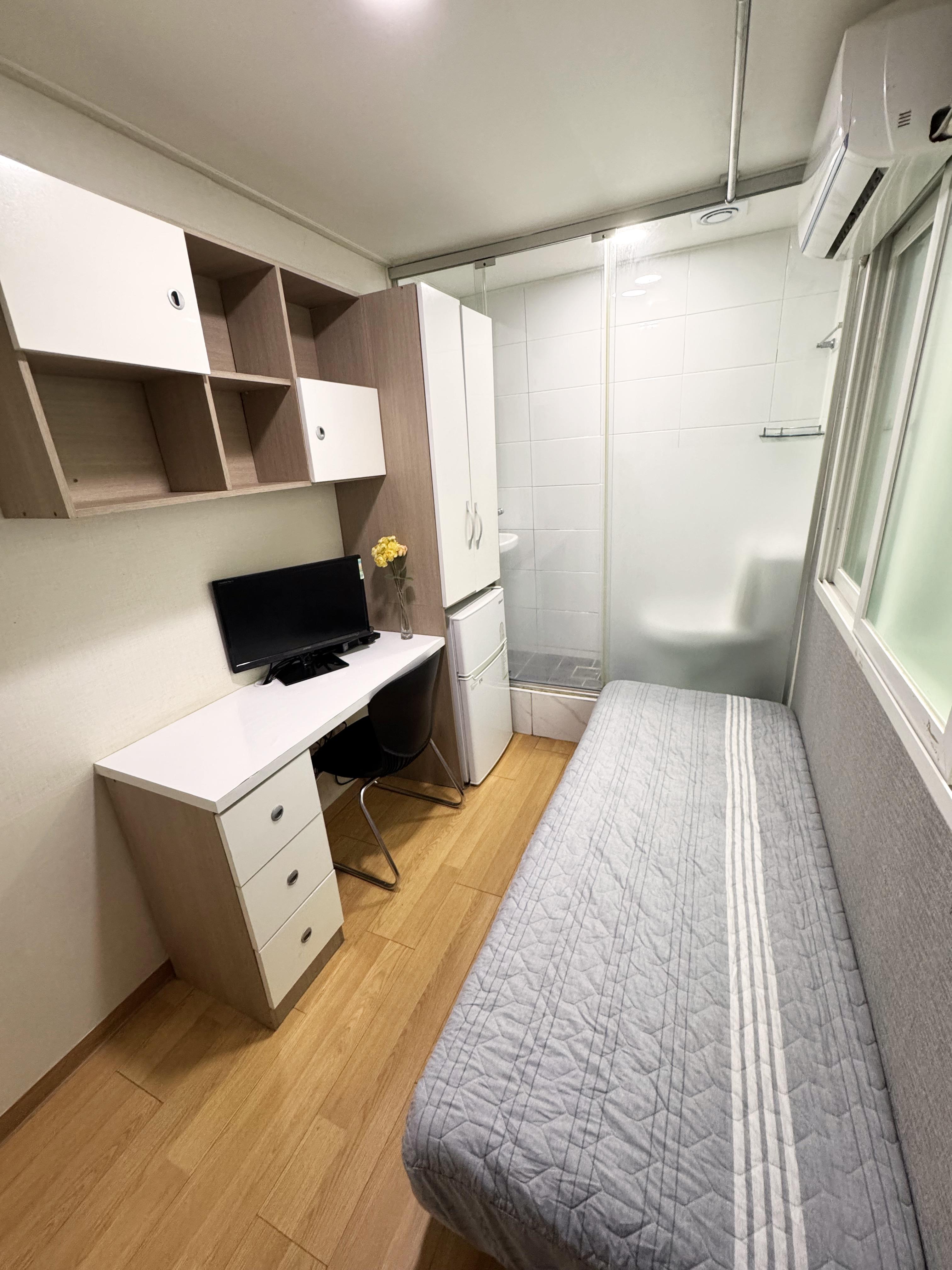
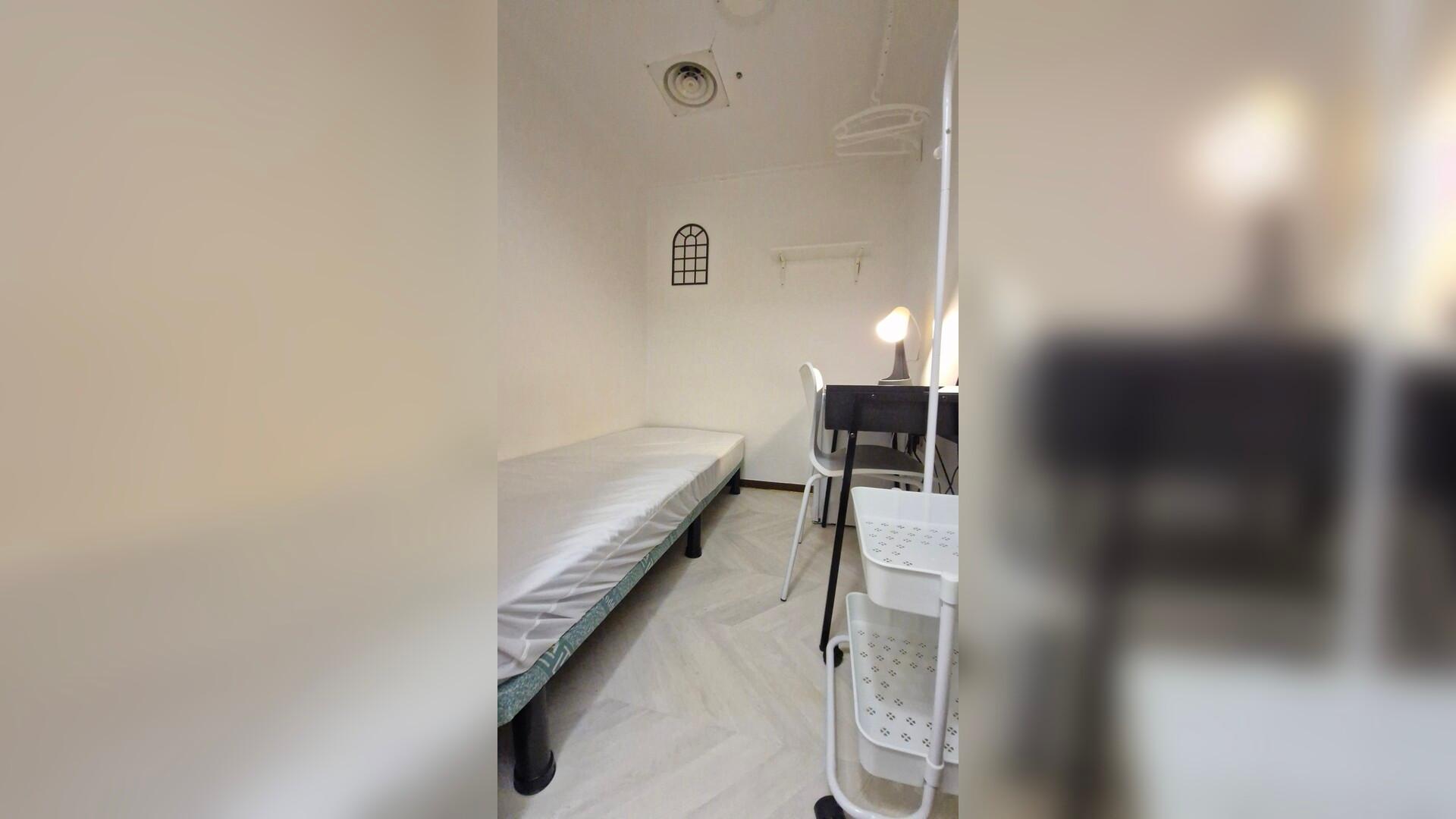
Walk through the room with your phone before you unpack. Take photos and a short video of every wall, the floor, the bathroom, the kitchen, the windows and each appliance. Turn things on: the washer, the air conditioner, the heating, the hot water.
Write a short list of anything already marked, broken or missing. Send the list and the photos to the landlord in a message on the same day and ask them to confirm. A reply such as "noted" is enough. If they add anything, keep that too.
Keep the list. You will use the same list when you leave.
What counts as wear and tear
Wear and tear is the change that comes from living somewhere normally. Damage is something beyond that. The line is not always sharp, so talk about it early rather than at the door.
| Usually wear and tear | Usually damage |
|---|---|
| Faded paint or wallpaper from sunlight | Holes, stains or drawings on the walls |
| Light scuffs on the floor | Burns, deep scratches or water damage |
| A worn mattress or sofa cushion | Broken furniture or appliances from misuse |
| Loose handles or hinges over time | Lost keys, cards or door codes changed without asking |
If something breaks while you live there, tell the landlord when it happens, with a photo. A fault reported at the time reads very differently from one found at move-out.
Before you leave
- Agree the date. Confirm your move-out date and time in writing, and ask when the landlord or a manager can check the room.
- Settle the bills. Ask how gas, electricity, water, internet and 관리비 will be split up to your last day, and keep the receipts.
- Clean. Leave the room as clean as you found it. Empty the fridge, take out the rubbish and recycling, and clear the drain.
- Take the same photos. Use your move-in list and photograph the same things from the same angles. Put the two sets side by side.
- Return everything. Keys, cards and remotes. Note in a message what you returned and when.
Ask for an itemised settlement
Before you hand back the keys, ask the landlord for a written settlement: the deposit, each amount taken out and why, and the total they will return. A line such as "cleaning" or "repairs" should come with a description and, where possible, a receipt or quote.
If you disagree with an item, say so in writing, point to your move-in photos and suggest a figure you think is fair. Keep the tone calm. Most disagreements are settled at this stage.
How deposits are usually returned
Most landlords return the deposit by bank transfer once the room has been checked and the final bills are known. Some pay on the day you leave. Others wait for the next tenant's deposit or the month's bills, which can take longer.
Agree the timing and the account before you leave. If you are going abroad, give the details of an account that can receive the transfer, and confirm whether the landlord can send money overseas. Ask for a message when the transfer is made.
If the landlord goes quiet
- Keep writing. Send a short, polite message at regular intervals, in the same chat, restating the amount and the account.
- Keep records. Save the contract, the payment receipts, your move-in and move-out photos, the settlement and every message.
- Report on Wolse. If you found the place on Wolse, report it from the listing page so we can review the listing.
For questions about your options beyond this, ask a 공인중개사 (licensed agent) or your local 주민센터 (community service centre).
Before you sign your next place, read before you pay a deposit, or search furnished monthly places.
This guide is general information, not legal advice.
Questions
Does Wolse hold my deposit?
No. You pay the deposit to the landlord, and the landlord returns it to you directly when you move out.
What can a landlord take out of my deposit?
Usually unpaid rent, unpaid bills such as 관리비 (gwanlibi, the building fee), and the cost of fixing damage beyond normal wear and tear. Ask for each item in writing.
What should I do if the landlord stops replying about my deposit?
Keep writing, politely and in one place, keep a record of every message and payment, and report the listing on Wolse so we can review it.