Paying a deposit is the moment you have the most to lose. Once the money has left your account, it can be hard to get back. Go through this checklist before you pay anything. If you cannot tick a line, stop and ask why.
The checklist
- See the place. Visit in person, or join a live video call where the landlord shows the room, the door number and the building entrance. Recorded videos and photos are not enough.
- Check the name on the ID. Ask to see the landlord's ID. On Wolse, it should match the verified name you see after your offer is accepted.
- Check the name on the bank account. The account you pay must be in the same name. Do not pay a relative, a friend, a manager or a company unless you have a written reason you are happy with.
- Get a written agreement. It should include both names, the address and unit number, the dates, the rent, the deposit, the 관리비 (gwanlibi, the maintenance fee) and which bills it covers, when the deposit comes back and what can be deducted, and the terms if you leave early.
- Ask about address registration. If you will need it, get a yes in writing before you pay.
- Get a receipt for every payment. A note from the landlord with the amount, the date and what it was for is enough.
- Keep your messages. The chat is your record of what was agreed.
- Do not pay the whole deposit before the agreement is signed. If the landlord wants money to hold the place, keep it small and get a note of what it is for.
On the viewing
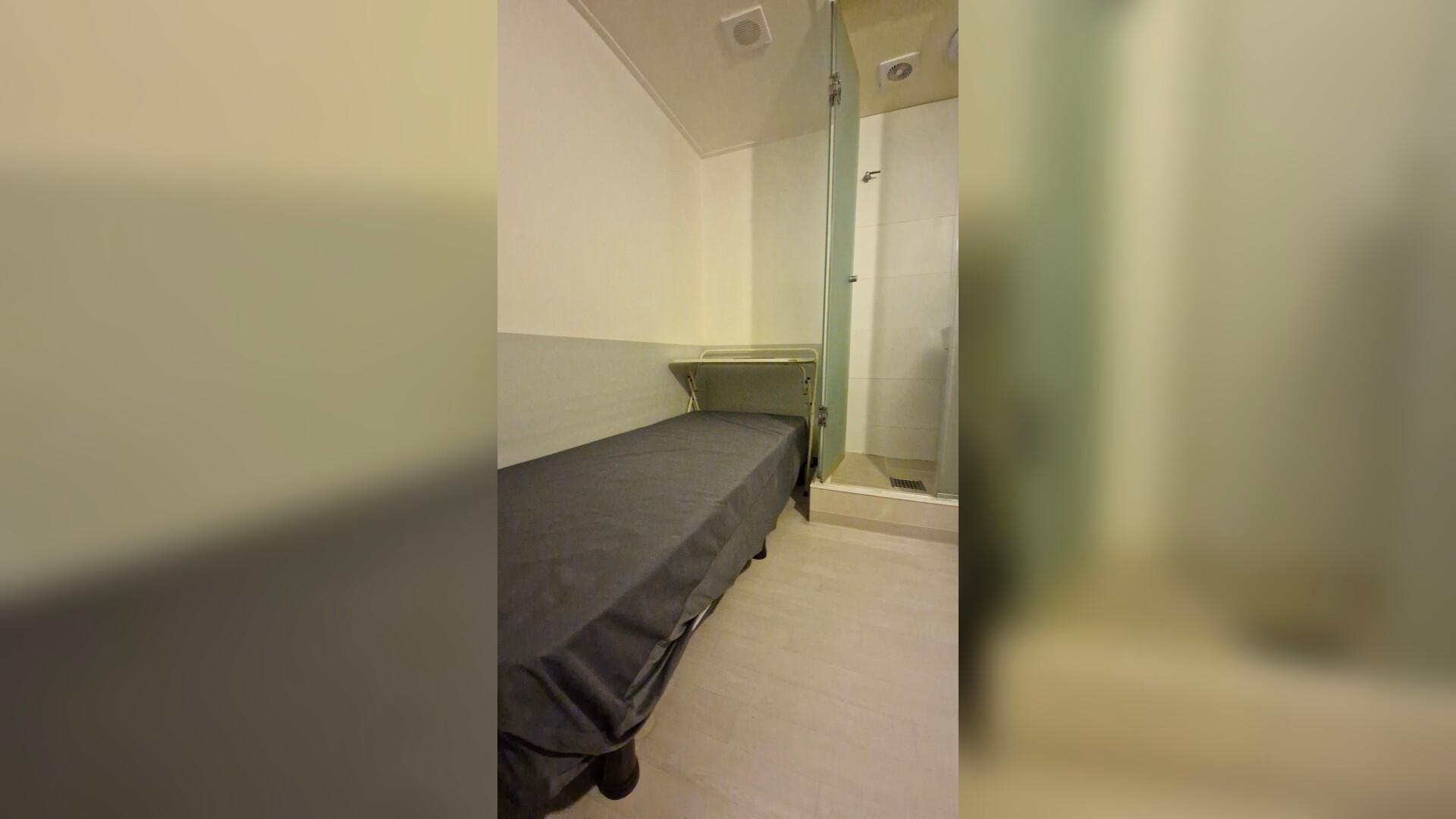
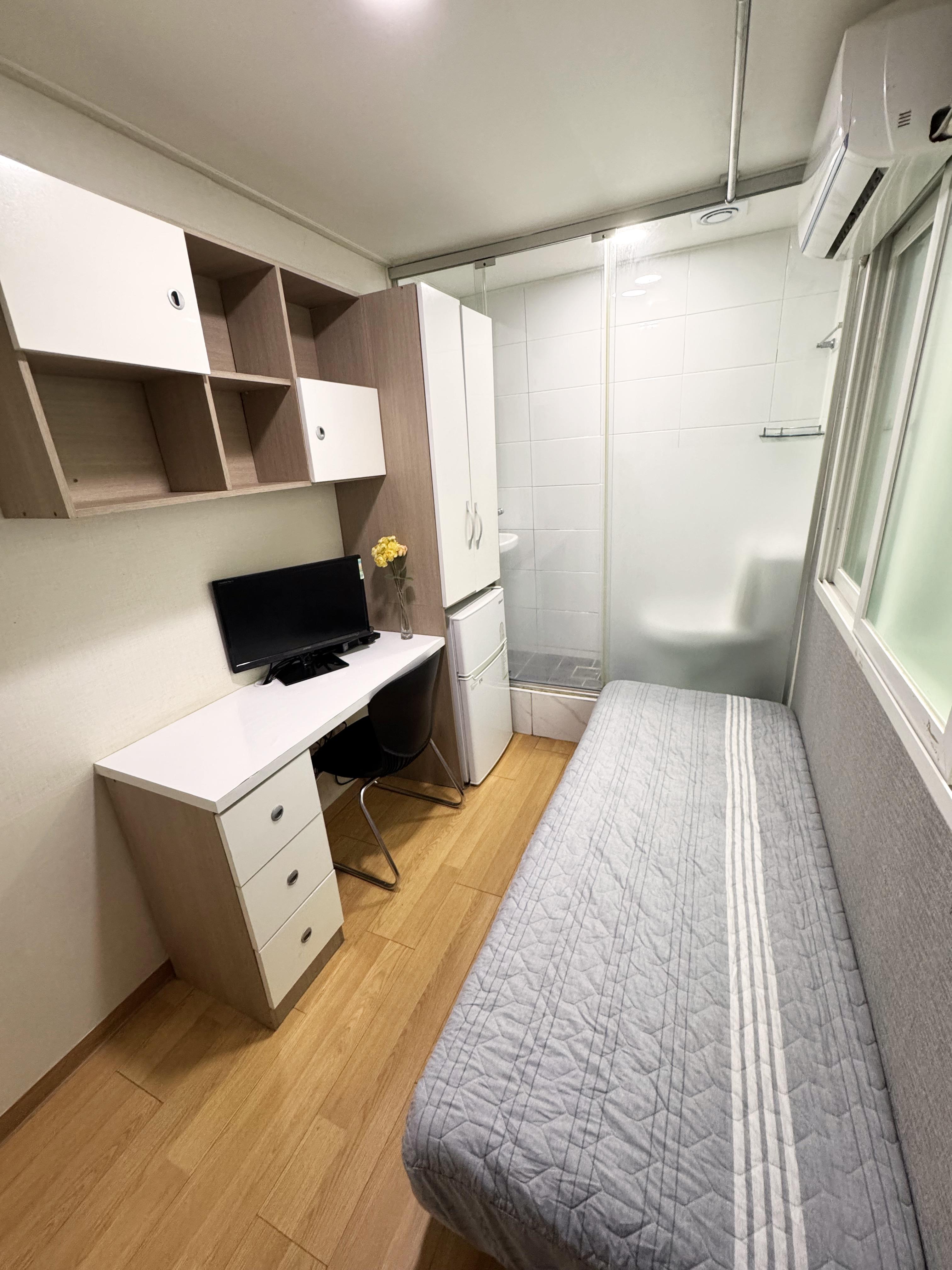
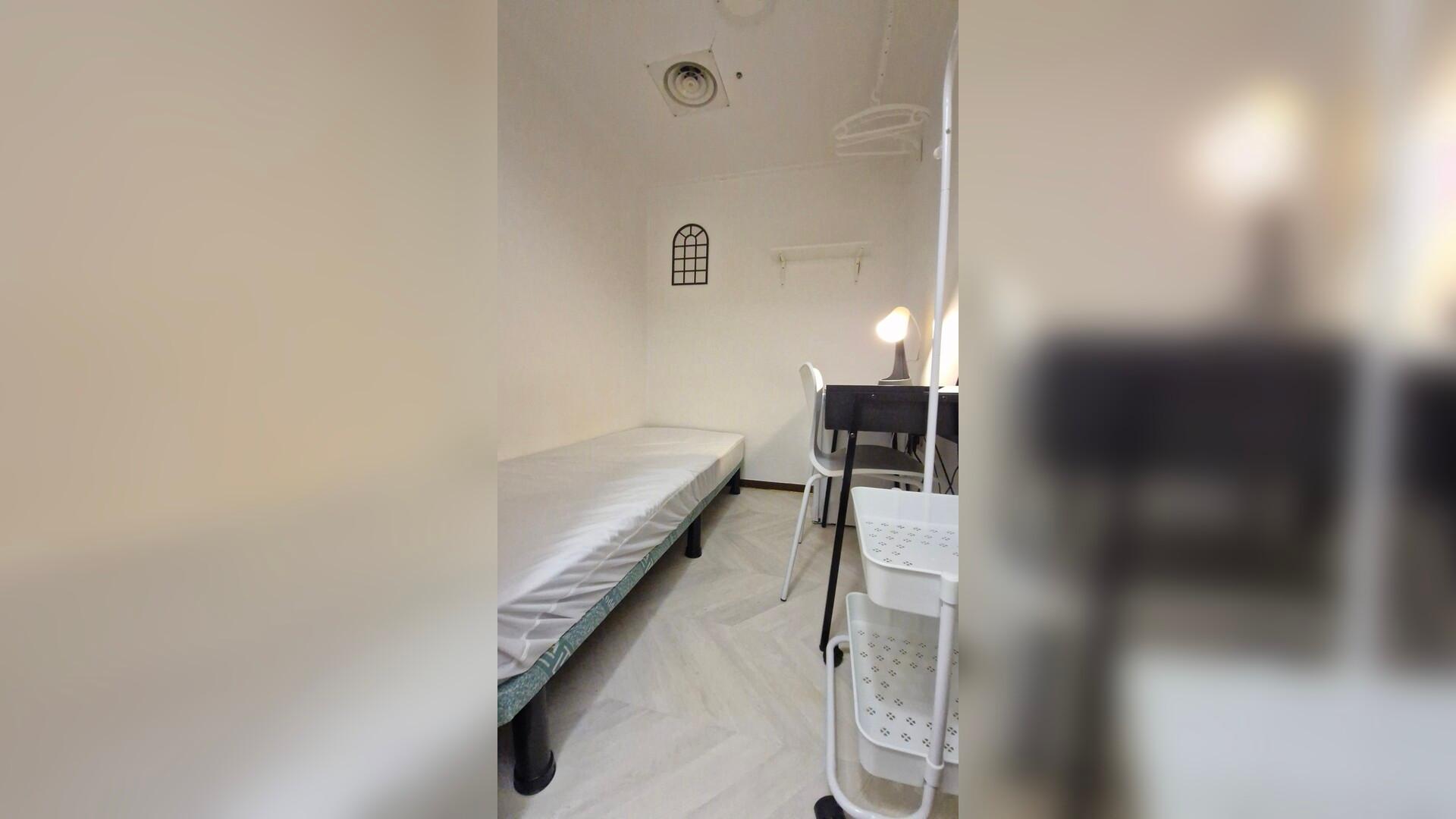
Photos rarely show what makes a room hard to live in. Whether you are there in person or on a video call, check these.
- Water. Run the shower and the kitchen tap. Check the pressure and how long hot water takes.
- Mould. Look at the corners of the ceiling, behind furniture, around windows and in the bathroom. A strong damp smell is a sign too.
- Heating and cooling. Ask to see the floor heating controls and the air conditioner turned on. Ask how heating is paid.
- Noise. Listen with the window closed. Ask about the street, neighbours and any building work.
- The washer. Check it is there and works. Ask where to dry clothes.
- Locks. Check the door lock, and ask whether the code is changed for each tenant.
- Damage already there. Point it out on the call or in a message, so it is on record.
Take photos at move-in
Photograph every room, the walls, floors, furniture and appliances, and any damage, on the day you move in. Send them to the landlord so both of you have a dated copy. If there is a disagreement at move-out, the photos show the condition on day one.
Paying from abroad
Many people pay before they land. These steps lower the risk.
- Transfer, not cash or gift cards. An international bank transfer or a money transfer service leaves a record. Never pay by gift card or cryptocurrency.
- The name on the account. The receiving account must be in the landlord's name, the same as on the agreement. A transfer between Korean banks shows the account holder's name, but a transfer from abroad may not, so ask the landlord to confirm the name in writing before you send.
- Send a small amount first if you are unsure. Check it arrives to the right name, then send the rest.
- Get a receipt. Ask the landlord to confirm in writing the amount received, the date and what it was for. Keep your bank's transfer record too.
- Expect fees and exchange rates. Your bank and the receiving bank may each take a fee. Agree with the landlord who covers them, so the deposit is not short.
Reporting the lease
Some leases are reported to the government (주택임대차 신고). Ask the 주민센터 whether yours is one, and agree with the landlord who will file it when you sign. The Seoul Housing Portal has the city's information for tenants.
Red flags
Stop before you pay if:
- the landlord cannot show you the place, live, in any way
- you are asked to pay to a name that is not the landlord's
- you are pushed to pay today to hold the place
- the price is far below similar places nearby
- you are asked to move the conversation off the site
Our guide Is this Seoul apartment listing a scam? explains these patterns. For where to ask about address registration and your deposit, read Protecting your deposit.
On Wolse
On Wolse, a person at Wolse checks each landlord's ID and a document for each address before a listing goes live. It is a check, not a guarantee. After an offer is accepted, you see the landlord's verified name and contact details. Pay deposits and rent only to an account in that name. Wolse never takes payments or deposits, so if anyone asks you to pay Wolse, it is not us. If something feels wrong, use the Report button on the listing.
When you are ready, search verified listings in Seoul.
This guide is general information, not legal advice.