The question new arrivals ask after where to look is what a month costs. This guide answers with live figures from furnished monthly listings on Wolse, by area and by type of place. The figures are read when the page loads, so they move as listings come and go.
Figures last computed on 25 Nov 2026.
The area with the most listings right now is Hongdae.
| Type | Median rent | Median all-in |
|---|---|---|
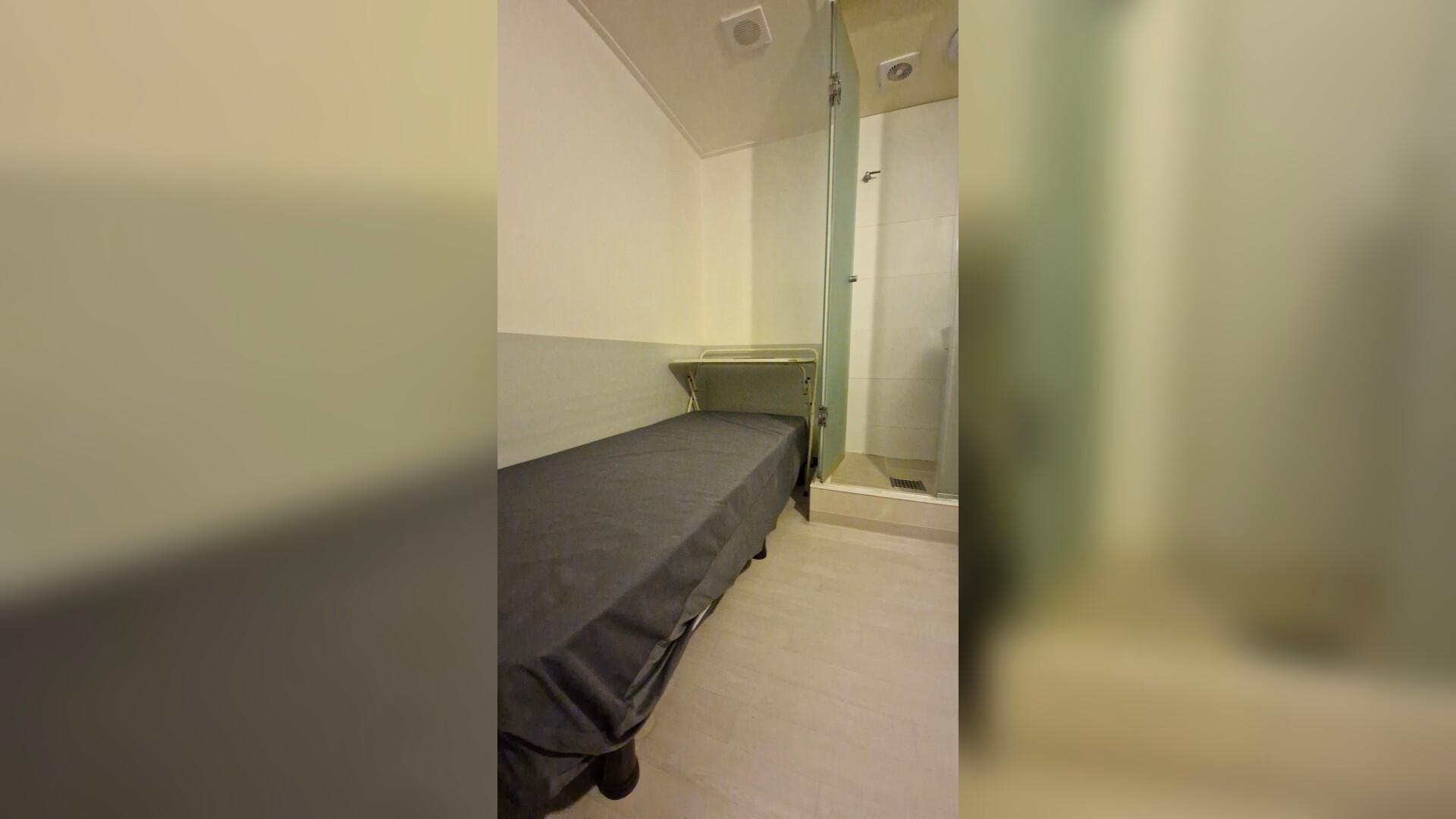
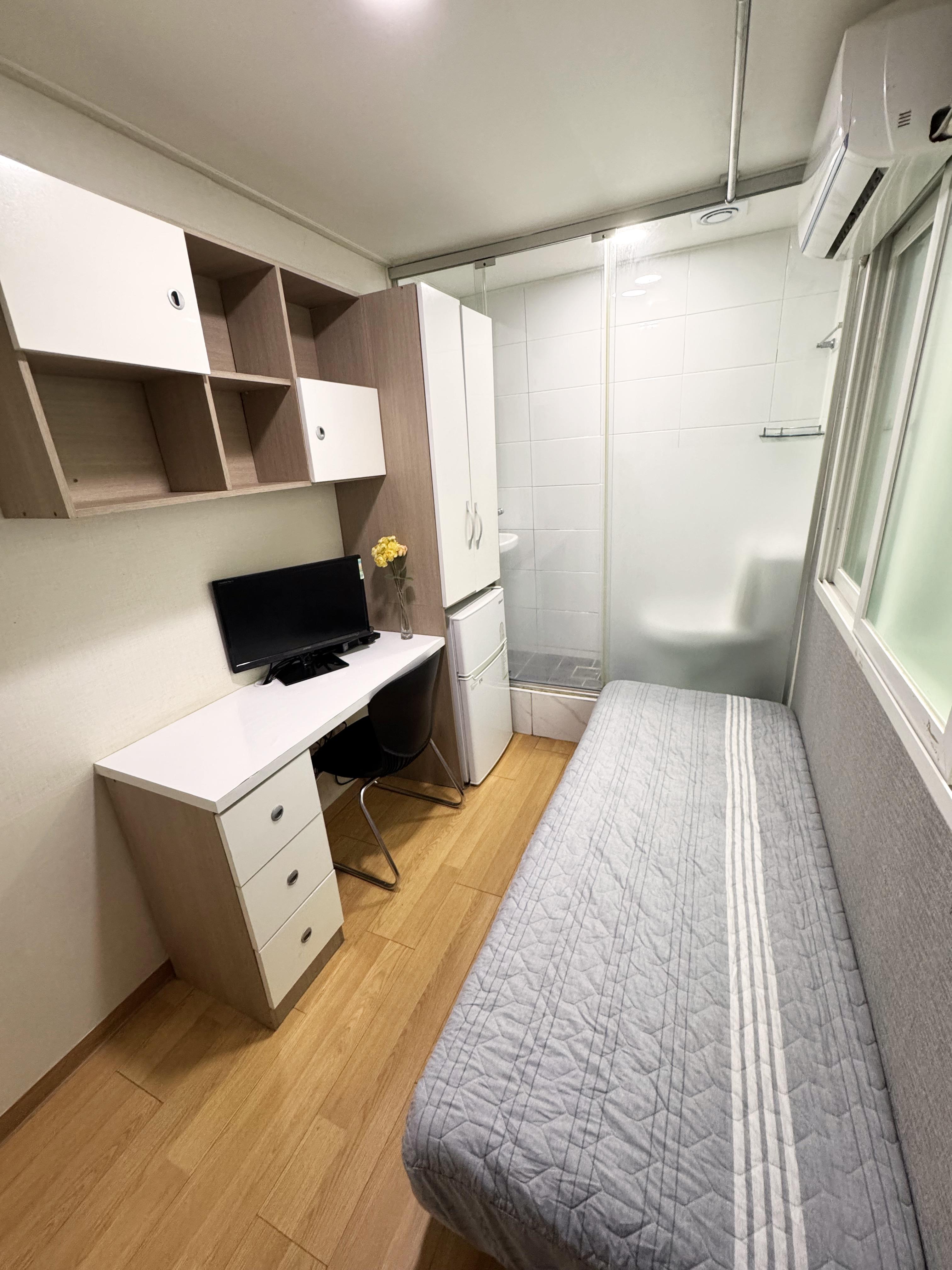
| Goshiwon | ₩480,000 | ₩480,458 |
Our guide Goshiwon vs officetel vs one-room explains what each type gets you.
What all-in means
Monthly rent alone does not tell you what a place costs. Two things sit beside it.
The first is the deposit, 보증금 (bojeunggeum). In Korea a bigger deposit usually buys a lower rent. A place with a low rent and a large deposit can cost you more than it looks, because your money is tied up for the whole stay.
The second is the maintenance fee, 관리비 (gwanlibi), paid every month on top of rent.
Wolse adds these into one figure so places can be compared:
all-in = monthly rent + maintenance fee + (deposit × 0.055 ÷ 12)
The last part turns the deposit into a monthly amount. It uses a fixed yearly rate of 0.055, the one Wolse applies to every listing. If a listing does not give a maintenance fee, it counts as zero. Every listing page shows its own all-in figure under the price.
In the busiest area, a quarter of places come in under ₩450,458 a month all-in.
A quarter cost more than ₩490,458 a month all-in.
What 관리비 covers
관리비 is the building's monthly charge. It usually pays for cleaning of shared areas, the lift, security and sometimes water or internet. Some places include gas, electricity and internet as well. Others cover only the shared costs, and you pay your own bills on top. Across live listings on Wolse that charge one, the median 관리비 is ₩100,000 a month.
Two places with the same 관리비 can cost you very different amounts once bills are added. Ask what it includes, and ask what bills typically come to in summer and winter, when air conditioning and heating push them up.
Compared with government records
The government publishes rent records from signed leases, through the land ministry (MOLIT). These are mostly long, unfurnished leases, so they usually come in lower than furnished monthly stays. They are a useful floor.
Which area fits you
Itaewon
Itaewon is Seoul's most international neighbourhood. English is widely spoken, and many landlords here already rent to foreigners.
Fits you if you want English around you and an easy first stay in Seoul.
Hongdae
Hongdae grew up around Hongik University and stays busy late into the night. Language and exchange students often live here.
Fits you if you are studying, or want cafés and evenings out close to home.
Gangnam
Gangnam and Yeoksam are Seoul's main business district south of the river, popular with people working in the city for a few months.
Fits you if you work in an office south of the river and want a short commute.
Seongsu
Seongsu was a district of workshops and small factories. Many are now cafés, studios and offices, and newer officetels and lofts have followed.
Fits you if you want a newer building, a park nearby and a quieter base close to Line 2.
What moves the price
- Type of place. A goshiwon room costs far less than an officetel, which usually costs less than a furnished apartment.
- Distance to the station. A few minutes' walk to a subway station adds to the rent.
- Age of the building. Newer officetels charge more, and their 관리비 is often higher too.
- Length of stay. Many landlords give a better price for three or six months than for one.
- The deposit. Offering a bigger deposit can bring the rent down, and a smaller one may raise it. Our guide on deposits explains how to offer on both.
- The season. Places near universities fill up before each semester.
To see what is live now, search furnished monthly places in Seoul, or start with Hongdae or Gangnam.
This guide is general information, not legal advice.
Questions
How much does a furnished month in Seoul cost?
It depends on the area and the type of place; the table in this guide shows the live median rent, deposit and all-in cost for each area, read from current listings.
What does all-in mean?
All-in is monthly rent plus the maintenance fee plus a monthly share of the deposit, so places with different deposits can be compared on one number.
Why is the deposit part of the monthly cost?
A bigger deposit usually buys a lower rent, so Wolse converts the deposit into a monthly amount at a fixed yearly rate and adds it in.