If you read about renting in Korea, you will see two words again and again: 전세 (jeonse) and 월세 (wolse). They are two ways to pay for a home. For a stay of one to twelve months, only one of them usually fits.
What jeonse is
전세 is a large lump-sum deposit and no monthly rent. The tenant pays the landlord a large deposit at the start, often a big share of the property's value, and lives there without paying rent. At the end of the contract, the landlord returns the deposit.
Jeonse contracts are usually long, commonly two years, and the deposit is often hundreds of millions of won. Landlords rarely offer it for short stays.
What wolse is
월세 is monthly rent plus a smaller deposit. You pay a deposit at the start and rent every month. At the end of the stay, the deposit is returned minus any agreed deductions.
For furnished short stays the deposit is often one to three months of rent, though it varies. There is usually also a monthly maintenance fee, 관리비 (gwanlibi), on top of rent. Our guide Seoul rental deposits explains how to read and negotiate both.
Why short stays are monthly
- The deposit is small enough for someone staying a few months.
- Landlords can rent for one to six months without tying up a large sum.
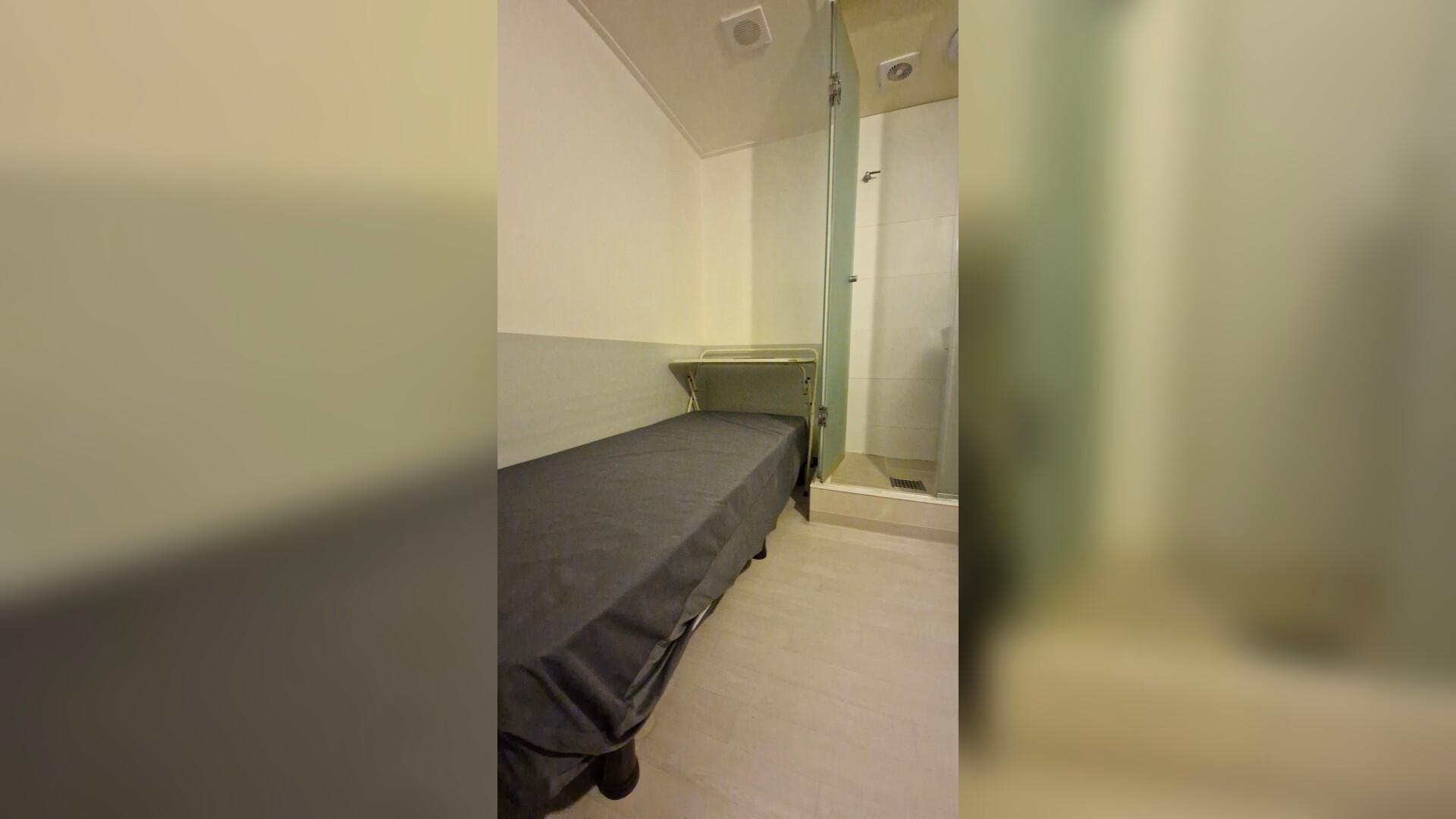
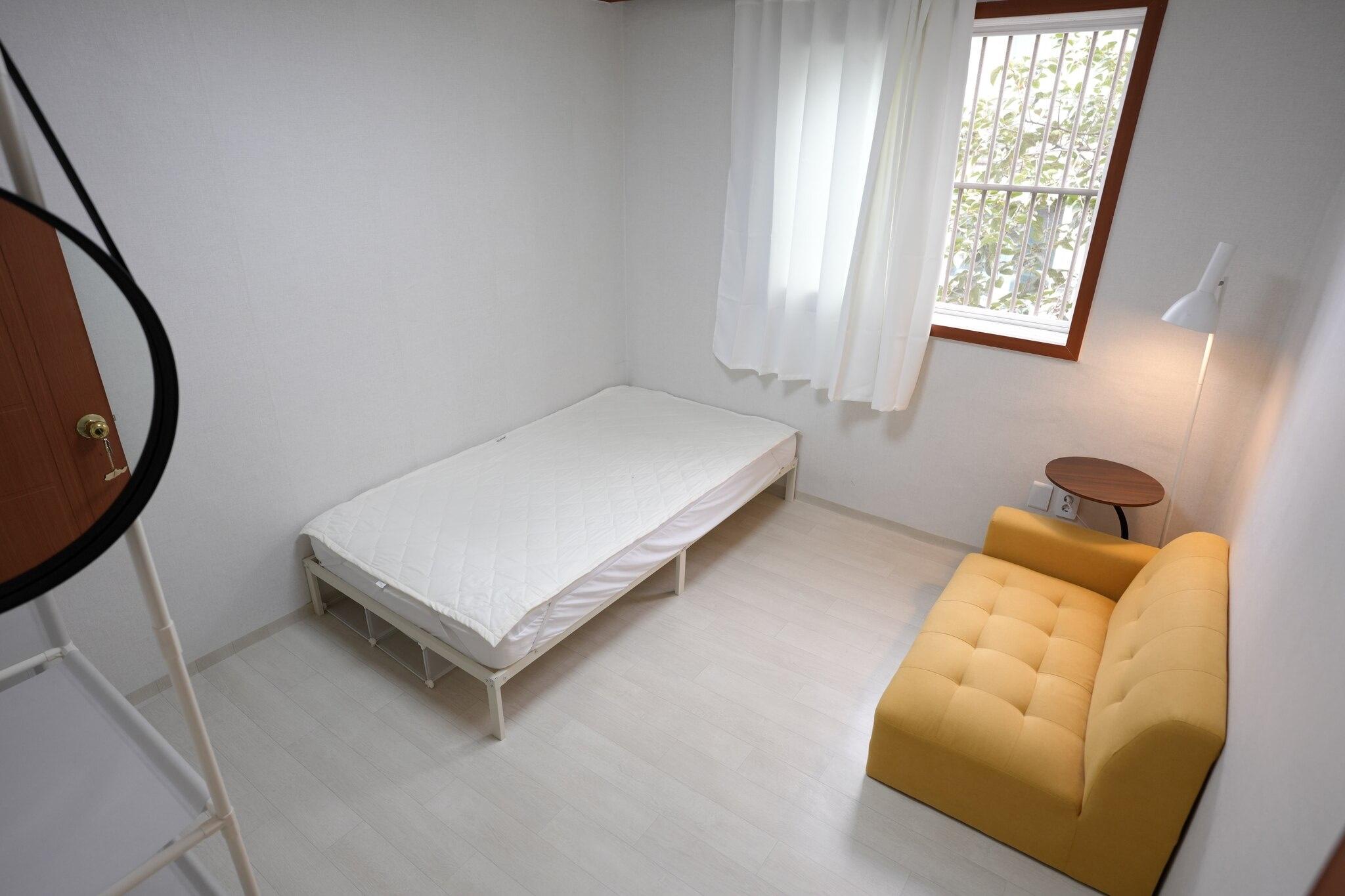
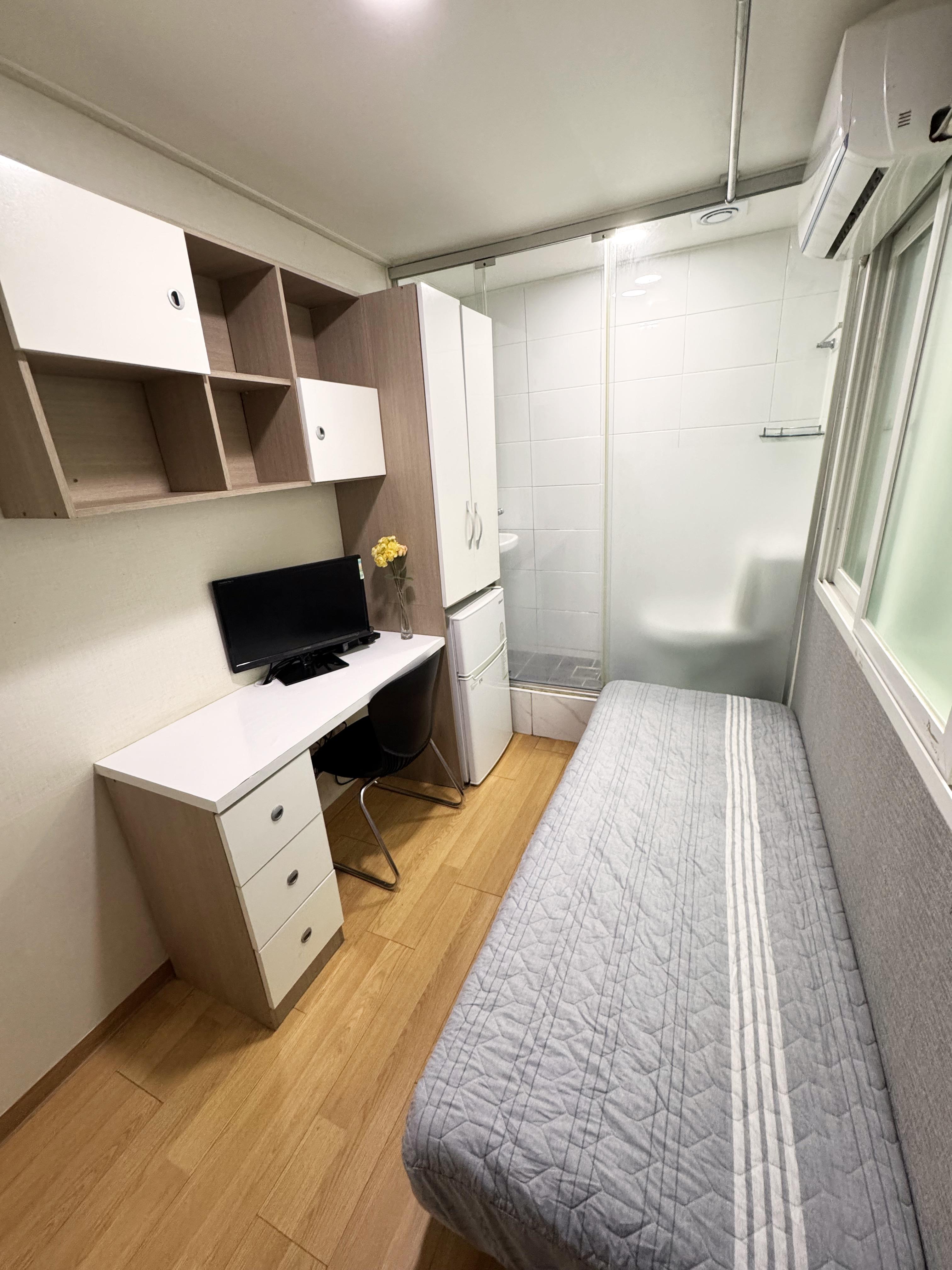
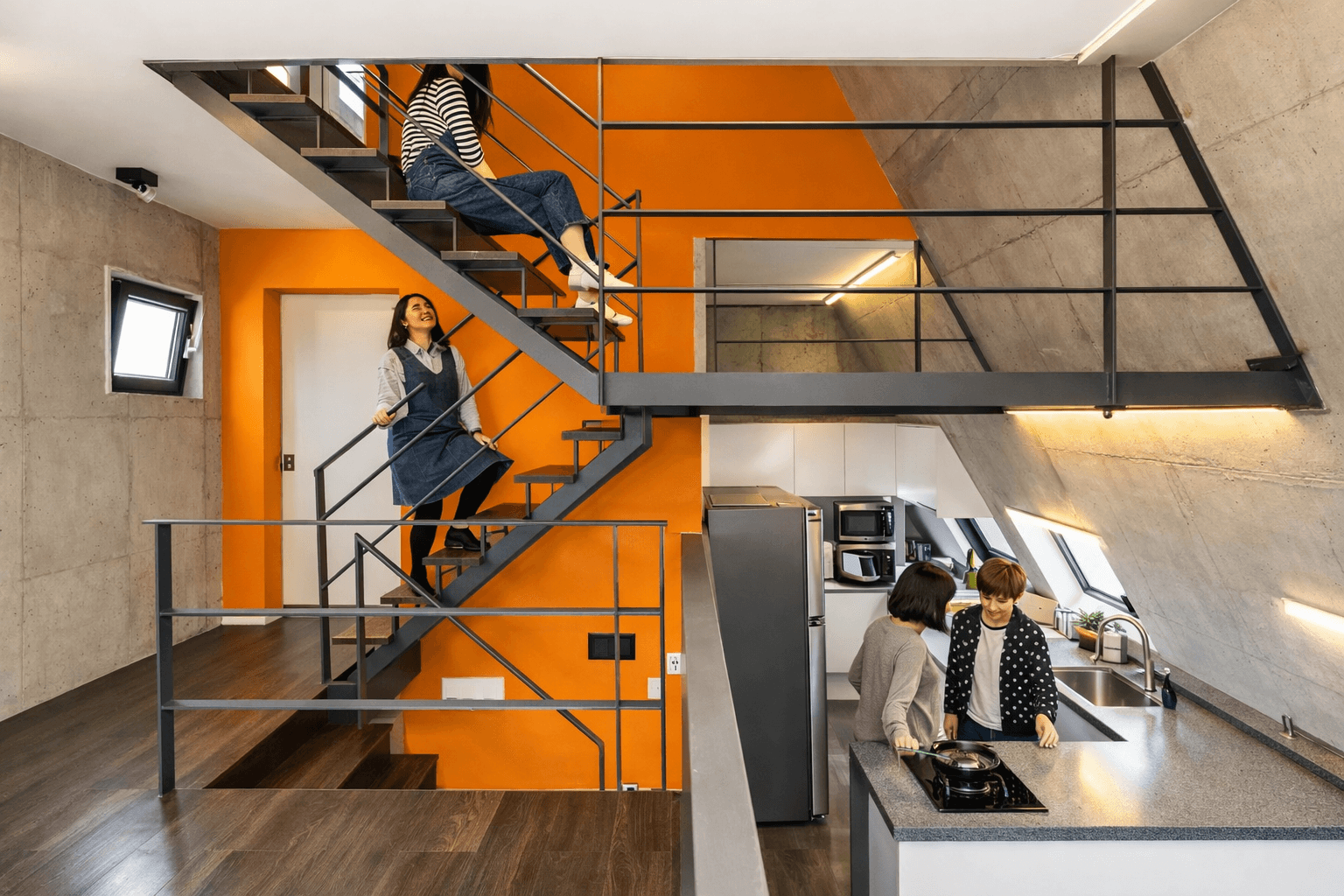
- Furnished places, officetels and share house rooms are usually let this way.
- Rent and deposit can be traded against each other.
On Wolse every listing is a monthly stay. You can offer on the rent, the deposit, or both.
A note on jeonse risk
The risk with jeonse is getting the deposit back. The tenant depends on the landlord being able to return a very large sum. If the property carries large debts or the landlord cannot pay, recovering it can be hard, and there have been widely reported cases of tenants losing jeonse deposits.
If you ever consider jeonse for a long stay, get advice first. A 공인중개사 (licensed real estate agent) can check the registry and the debts on the property, and our guide Protecting your deposit says where to ask about the registration steps tenants use.
Which one is for you
If you are staying one to twelve months, look for wolse. It is simpler, the deposit is smaller, and it matches the length of your stay. If you are moving for two years or more, jeonse may come up; treat it as a large financial decision.
Whatever you choose, see the place or a live video of it, check the landlord's name against the bank account, get the agreement in writing and keep a receipt for every payment.
When you are ready, search furnished monthly places in Seoul.
This guide is general information, not legal advice.